BEGIN:VCALENDAR
VERSION:2.0
PRODID:-//jEvents 2.0 for Joomla//EN
CALSCALE:GREGORIAN
METHOD:PUBLISH
BEGIN:VTIMEZONE
TZID:Australia/Sydney
BEGIN:STANDARD
DTSTART:20240604T193000
RDATE:20241006T030000
TZOFFSETFROM:+1100
TZOFFSETTO:+1000
TZNAME:Australia/Sydney AEST
END:STANDARD
BEGIN:STANDARD
DTSTART:20250406T020000
RDATE:20251005T030000
TZOFFSETFROM:+1100
TZOFFSETTO:+1000
TZNAME:Australia/Sydney AEST
END:STANDARD
BEGIN:STANDARD
DTSTART:20260405T020000
RDATE:20261004T030000
TZOFFSETFROM:+1100
TZOFFSETTO:+1000
TZNAME:Australia/Sydney AEST
END:STANDARD
BEGIN:STANDARD
DTSTART:20270404T020000
RDATE:20271003T030000
TZOFFSETFROM:+1100
TZOFFSETTO:+1000
TZNAME:Australia/Sydney AEST
END:STANDARD
BEGIN:STANDARD
DTSTART:20280402T020000
RDATE:20281001T030000
TZOFFSETFROM:+1100
TZOFFSETTO:+1000
TZNAME:Australia/Sydney AEST
END:STANDARD
BEGIN:DAYLIGHT
DTSTART:20241006T030000
RDATE:20250406T020000
TZOFFSETFROM:+1000
TZOFFSETTO:+1100
TZNAME:Australia/Sydney AEDT
END:DAYLIGHT
BEGIN:DAYLIGHT
DTSTART:20251005T030000
RDATE:20260405T020000
TZOFFSETFROM:+1000
TZOFFSETTO:+1100
TZNAME:Australia/Sydney AEDT
END:DAYLIGHT
BEGIN:DAYLIGHT
DTSTART:20261004T030000
RDATE:20270404T020000
TZOFFSETFROM:+1000
TZOFFSETTO:+1100
TZNAME:Australia/Sydney AEDT
END:DAYLIGHT
BEGIN:DAYLIGHT
DTSTART:20271003T030000
RDATE:20280402T020000
TZOFFSETFROM:+1000
TZOFFSETTO:+1100
TZNAME:Australia/Sydney AEDT
END:DAYLIGHT
BEGIN:DAYLIGHT
DTSTART:20281001T030000
RDATE:20290401T020000
TZOFFSETFROM:+1000
TZOFFSETTO:+1100
TZNAME:Australia/Sydney AEDT
END:DAYLIGHT
END:VTIMEZONE
BEGIN:VEVENT
UID:7b0220b1d18b4546745e3efdec3e438d
CATEGORIES:Guest Speaker Night
CREATED:20240505T152911
SUMMARY:Guest Speaker - Tom Field
LOCATION:: Teams Online
DESCRIPTION:You can almost touch the stars – An Introduction to Astronomical Spectrosco
pyEven if you wanted to touch a star, they’re all impossibly distant. In sp
ite of these great distances, astronomers have learned an enormous amount a
bout stars. How? The most common method to study the stars is called spectr
oscopy, which is the science of analysing the colourful rainbow spectrum pr
oduced by a prism-like device.\nUntil recently, spectroscopy was too expens
ive and too complicated for all but a handful of amateurs. Today, though, n
ew tools make spectroscopy accessible to almost all of us. You no longer ne
ed a PhD, dark skies, long exposures, enormous aperture … or a big budget!
With your current telescope and FITS camera (or a simple web cam or even a
DSLR without a telescope) you can now easily study the stars yourself. Woul
dn’t you like to detect the atmosphere on Neptune or the red shift of a qua
sar right from your own backyard?!\nThis talk, with lots of interesting exa
mples, will show you what it’s all about and help you understand how spectr
oscopy is used in research. Even if you are an armchair astronomer, underst
anding this field will enhance your understanding of the things you read an
d the night sky.\nWe’ll do a live Q&A after Tom’s 45-minute presentatio
n.\nTom FieldTom Field was a Contributing Editor at Sky & Telescope Mag
azine for ten years. He is the founder of Field Tested Systems and the auth
or of the RSpec software (www.rspec-astro.com) which received the S&T “
Hot Product” award. A pioneer in the field of amateur astronomical spectros
copy, Tom aims to demystify field and make it accessible to all. He promise
s to open the door for you to this fascinating field!\n \nThis will be an o
nline presentation, but members and guests are invited to join us at the Gr
een Point Observatory to view on the big screen.\n
X-ALT-DESC;FMTTYPE=text/html:You can almost touch the stars – An Introduction to Astronomical Spectr
oscopy
Even if you wanted to touch a star, they’re all impossibly di
stant. In spite of these great distances, astronomers have learned an enorm
ous amount about stars. How? The most common method to study the stars is c
alled spectroscopy, which is the science of analysing the colourful rainbow
spectrum produced by a prism-like device.
Until recently, spectrosco
py was too expensive and too complicated for all but a handful of amateurs.
Today, though, new tools make spectroscopy accessible to almost all of us.
You no longer need a PhD, dark skies, long exposures, enormous aperture …
or a big budget! With your current telescope and FITS camera (or a simple w
eb cam or even a DSLR without a telescope) you can now easily study the sta
rs yourself. Wouldn’t you like to detect the atmosphere on Neptune or the r
ed shift of a quasar right from your own backyard?!
This talk, with l
ots of interesting examples, will show you what it’s all about and help you
understand how spectroscopy is used in research. Even if you are an armcha
ir astronomer, understanding this field will enhance your understanding of
the things you read and the night sky.
We’ll do a live Q&A after
Tom’s 45-minute presentation.
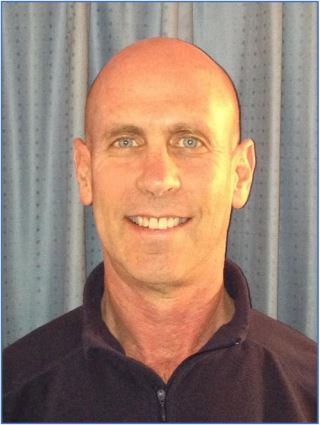 Tom Field
Tom Field was a Cont
ributing Editor at Sky & Telescope Magazine for ten years. He is the fo
under of Field Tested Systems and the author of the RSpec software (www.rsp
ec-astro.com) which received the S&T “Hot Product” award. A pioneer in
the field of amateur astronomical spectroscopy, Tom aims to demystify field
and make it accessible to all. He promises to open the door for you t
o this fascinating field!
This will be an online present
ation, but members and guests are invited to join us at the Green Point Obs
ervatory to view on the big screen.
DTSTAMP:20261015T040813
DTSTART;TZID=Australia/Sydney:20250605T193000
DTEND;TZID=Australia/Sydney:20250605T213000
SEQUENCE:0
TRANSP:OPAQUE
END:VEVENT
END:VCALENDAR