Events Calendar


Amateur Radio Operators of Today
Amateur radio—often called “ham radio”—is a global hobby and public service that combines communication, technology, and community. Today, it goes far beyond traditional voice transmission: operators use digital modes, satellites, and even the internet to connect across the world, experiment with electronics, and support emergency communications when other systems fail.
Participation can be as simple or as technical as you like. Operators chat locally via handheld radios, join international conversations on shortwave bands, build and test their own equipment, or take part in contests and community events. Many also contribute to disaster preparedness networks, providing reliable communication during emergencies.
In Australia, amateur radio is now based on a qualification system overseen by the Australian Communications and Media Authority (ACMA). Instead of holding a licence, operators obtain an amateur radio qualification by passing an exam covering radio theory, regulations, and operating practice. Once qualified, individuals are assigned a callsign and can legally operate under the class framework.
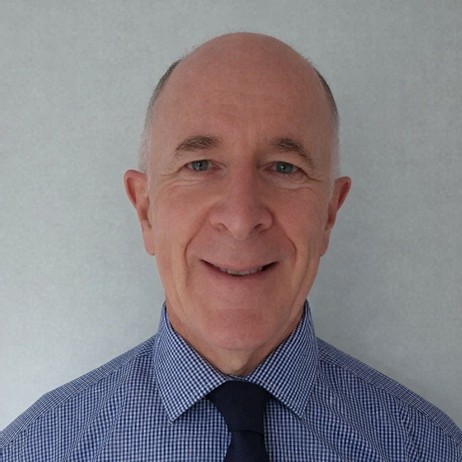 Paul Howarth (VK2GX)
Paul Howarth has been an active amateur radio operator since the late 1970s, bringing decades of experience and commitment to the hobby. Over that time, he has witnessed and embraced the evolution of amateur radio—from traditional voice communications to modern digital and satellite technologies—while maintaining a strong interest in technical learning and community engagement.
He has been a long-standing member of the St George Amateur Radio Society (SGARS), contributing to club activities, mentoring new operators, and supporting events that promote amateur radio within the local community.